Erp
ERP spécialisé : compléter votre logiciel existant
Plutôt que de remplacer votre ERP, un module spécialisé peut combler le point précis qui vous coûte du temps — moins cher, plus rapide, sans migration complète.
Read more →Case Study
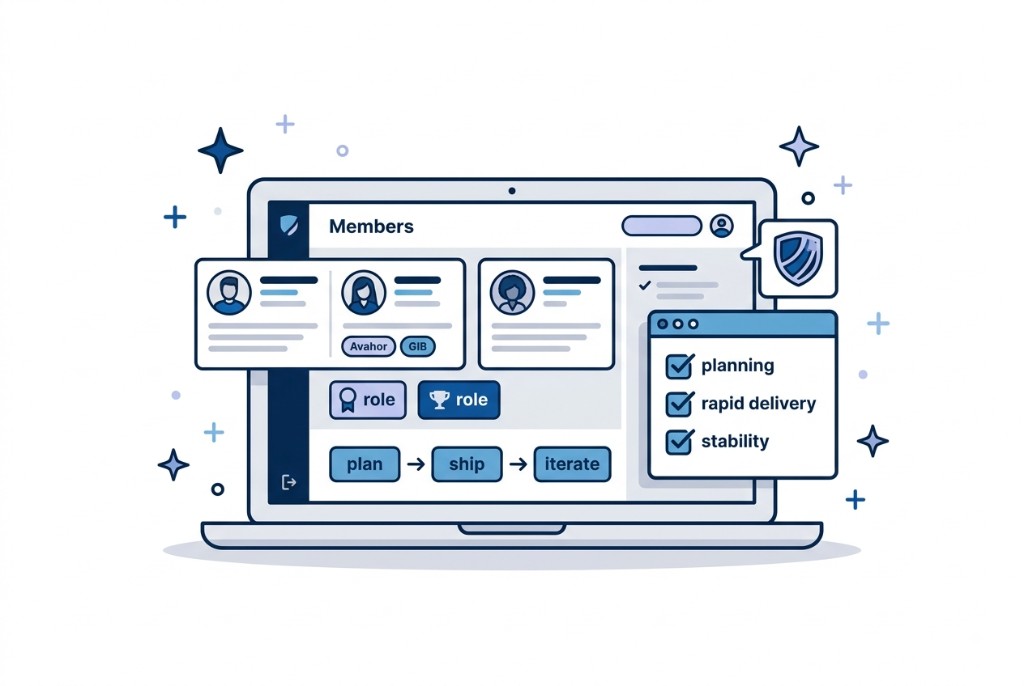
From upfront planning and clear requirements to rapid delivery — then iterating on real feedback until the product was stable, trusted, and production-ready.
Approach
Plan → Implement fast → Iterate with feedback
Outcome
Stable product, happy client
Focus
Usability, reliability, maintainability
The CELB application started with a clear focus on planning and alignment. Before any code was written, we worked closely with the client to understand the underlying processes, constraints, and long-term goals of the platform. This phase covered functional requirements, data flows, roles, and operational expectations to ensure a shared understanding of what the system needed to deliver.
Based on these discussions, we translated the requirements into a structured technical concept. This included defining the core entities, workflows, and integration points, as well as identifying areas where automation would reduce manual effort and operational risk. The result was a clear and realistic scope that allowed for fast execution without sacrificing maintainability.
Key decision
Define a stable baseline early — then improve through small, controlled iterations based on real usage.
With the foundation in place, the implementation phase started shortly after and progressed over a relatively short time span. The initial version focused on delivering the essential functionality end-to-end, allowing the client to use the system early and validate assumptions in real conditions.
Instead of aiming for a “perfect” first release, we deliberately prioritized a stable and usable baseline. This enabled early feedback and reduced the risk of building features that did not align with day-to-day usage.
What we shipped first
Following the initial rollout, the application was refined through several feedback cycles. Input from real users highlighted edge cases, usability improvements, and opportunities for further automation. These insights were incorporated iteratively, leading to measurable improvements in reliability and user experience.
Each iteration focused on small, controlled changes, ensuring that the system remained stable while continuously improving. This approach also allowed new requirements to be integrated without disrupting existing workflows.
Today, the CELB application is a stable and reliable product that supports the client’s processes effectively. The platform has proven itself in production use, with reduced manual overhead and predictable system behavior.
The combination of careful upfront planning, fast initial delivery, and continuous iteration resulted in a solution that meets current needs while remaining flexible for future extensions — and, most importantly, a satisfied client with a product they trust.
Result
Stable product in production, improved workflows, and a client who is confident in the system’s reliability.
Plutôt que de remplacer votre ERP, un module spécialisé peut combler le point précis qui vous coûte du temps — moins cher, plus rapide, sans migration complète.
Read more →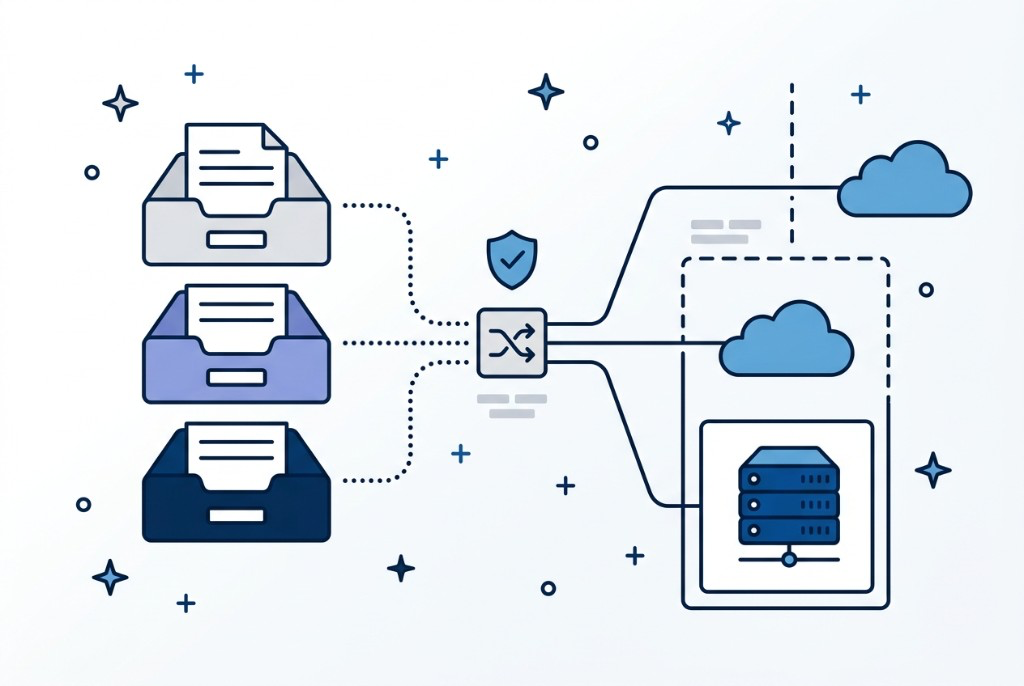
Self-hosting a model is a data-flow decision, not a compliance certificate. What GDPR actually asks of an AI system, when a local model earns its cost, and how to route by data class.
Read more →
Local hire, freelancer, or managed remote team: when you need delivery with review — not just another developer.
Read more →