Specialised ERP module: complete your current software instead of replacing it
Many Luxembourg companies looking for “an ERP” really have one process that is stuck — stock, invoicing, planning. The rest of their current ERP works fine. Replacing the whole system is then expensive, slow and risky. A specialised ERP module, attached to what you already have, often solves the same problem for a fraction of the cost.
When an SME tells us it needs an ERP, the real question is almost always narrower: stock levels that no longer update in real time, planning that still happens in Excel next to the software, invoicing that does not export to the accounting system. The system in place covers the rest well enough. Replacing all of it to fix one point is out of proportion — it costs months of migration and puts the whole team on hold during the transition.
What we mean by “specialised ERP module”
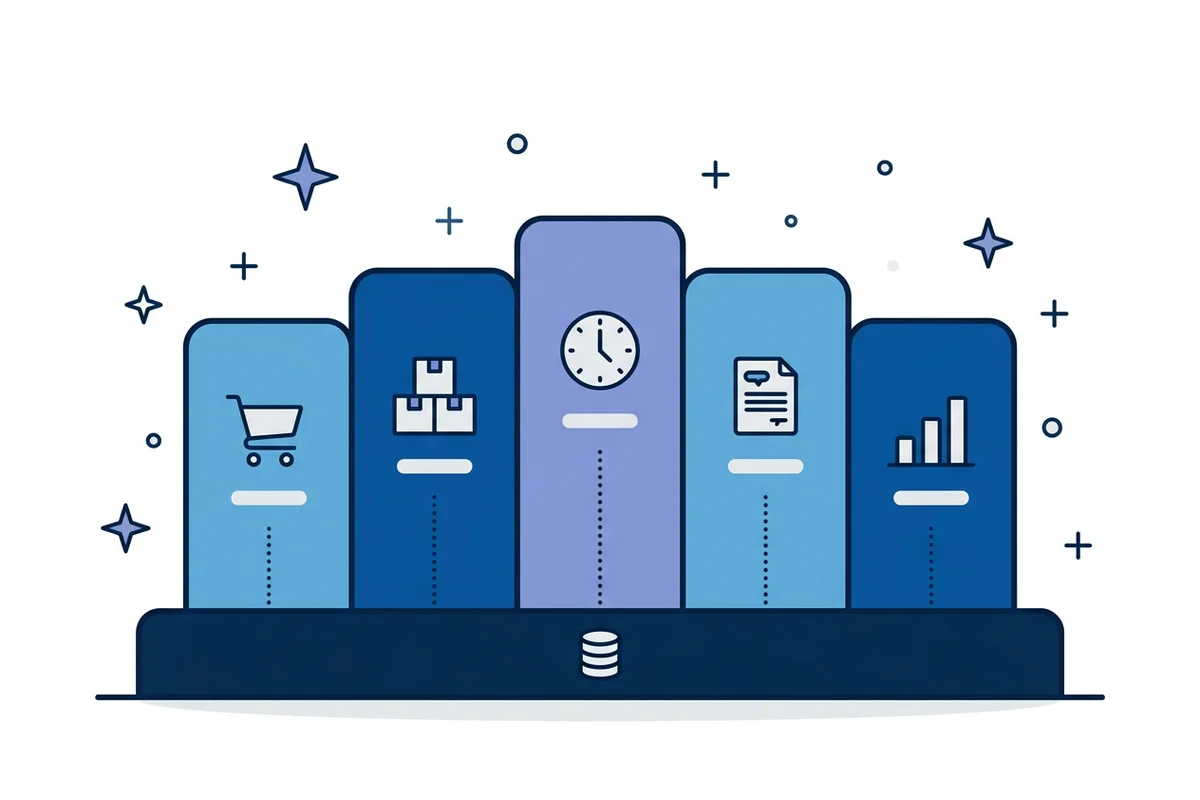
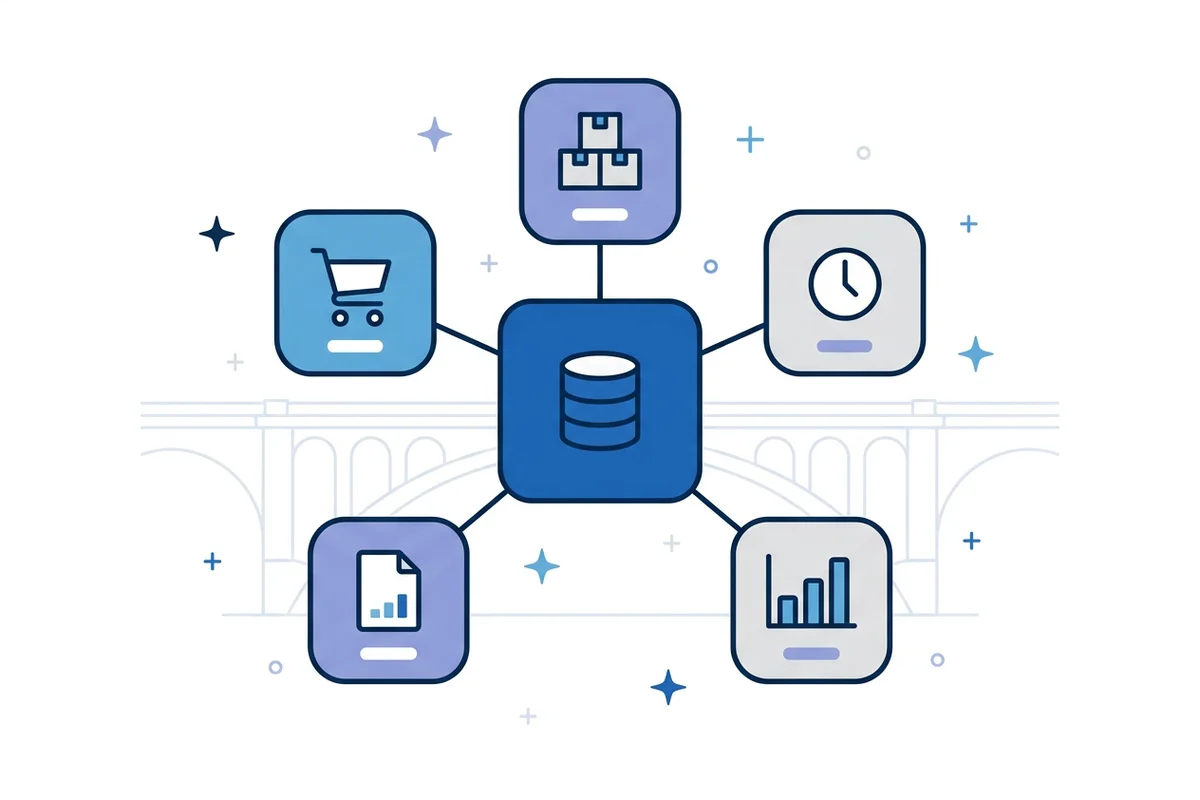
A module built for a single business process — stock, planning, invoicing, site follow-up — that connects to your current ERP through an API or a data sync, without touching the rest. Your team keeps its habits and its other screens; only the point of friction changes.
Built for your exact process, not for a generic case.
Delivered in weeks, not months.
Your existing system keeps running during development.
Cost proportionate to the real problem, not to a full overhaul.
Three signs that a module is enough
One process hurts. The rest of the system is accepted by the team, with no recurring complaints.
Your ERP has an API or a reliable export. Most modern ERPs (and many older ones) do — it is often under-used.
The budget does not cover a replacement. A full migration easily means several months of project work; a targeted module is far simpler to plan and budget.
The other way round, if three or four processes hurt at once, or if the system has reached the end of its life with the vendor, the maths tips towards replacement — that is the subject of our article on custom software vs ERP. For the wider picture, see our guide to ERP systems in Luxembourg.
How NexClass goes about it
We start with an hour with your team to isolate the process that really costs time, then check what your ERP already exposes — API, webhooks, scheduled export. The module is built and tested alongside your current tool, plugged in once validated, and never interrupts production. The result stays yours: no per-user licence, and no dependency on a third-party vendor for the smallest future change. More about our approach is on the ERP page.
A specific process is slowing you down?
Tell us about your current ERP and the point that hurts. In a short call, we will tell you whether a targeted module is enough — or not.
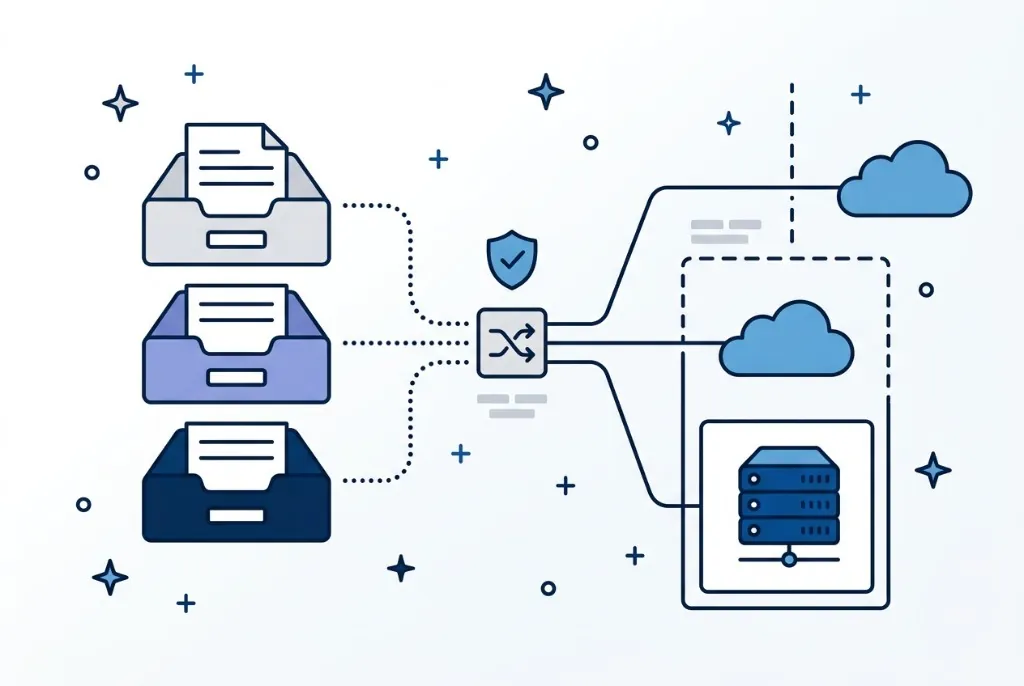
Self-hosting a model is a data-flow decision, not a compliance certificate. What GDPR actually asks of an AI system, when a local model earns its cost, and how to route by data class.