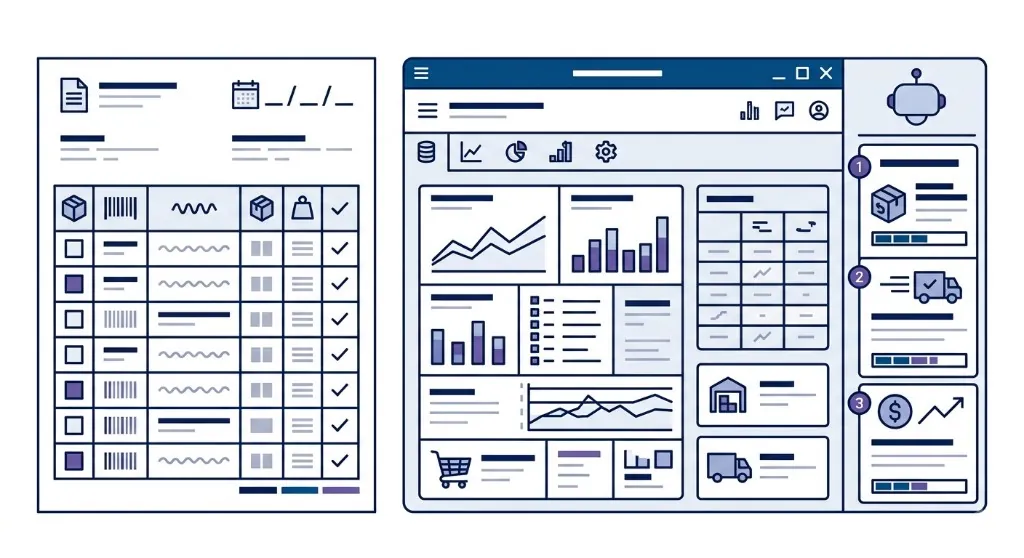
Orders & quotes
From quote to confirmation to delivery note, with status everyone can see instead of a shared mailbox.
The usual situation
Luxembourg SMEs usually sit between two bad options: spreadsheets that only one person understands, or an international ERP that costs more to configure than to licence.
Our approach
We start from your processes, not from a product catalogue.
What it covers
Built one at a time, in the order that pays back fastest.
From quote to confirmation to delivery note, with status everyone can see instead of a shared mailbox.
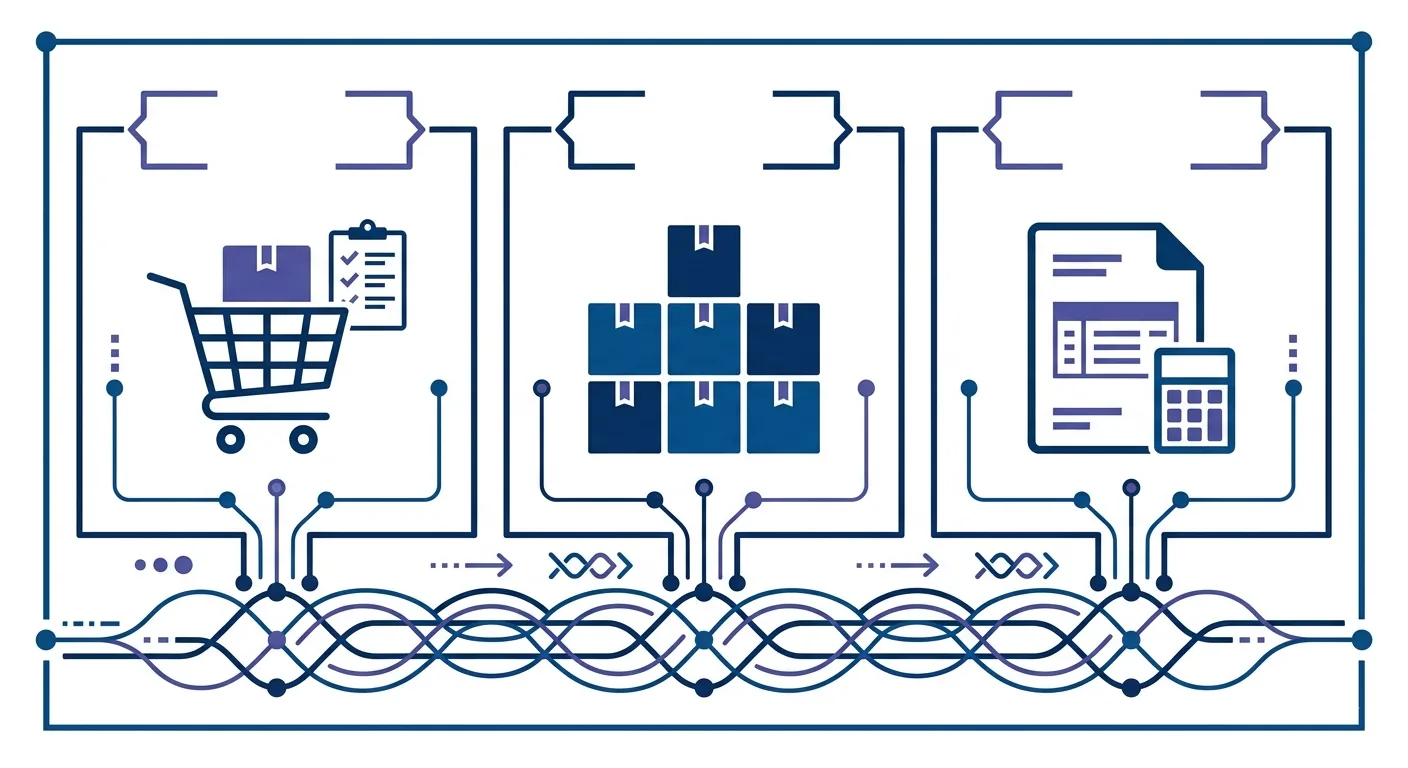
Live stock levels, reorder points and movements tied to the orders that caused them.
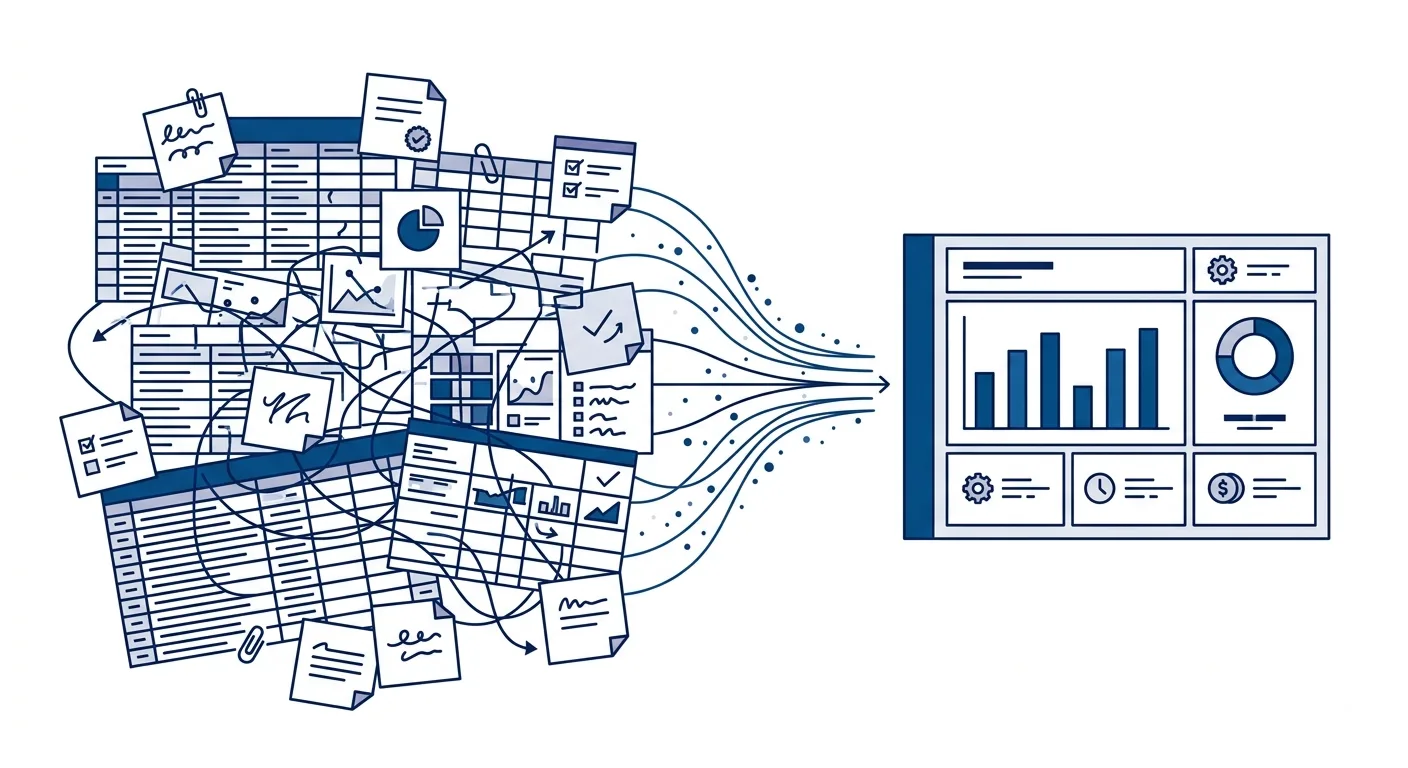
Hours, budgets and progress per project, so margin is visible before the project ends, not after.
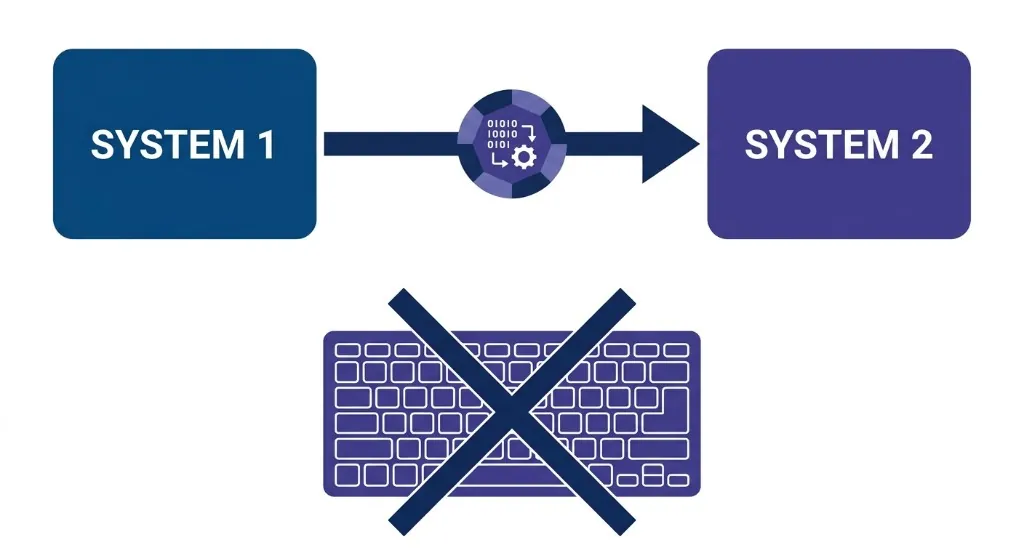
Invoices generated from what actually shipped or was worked, with reminders that go out on their own.
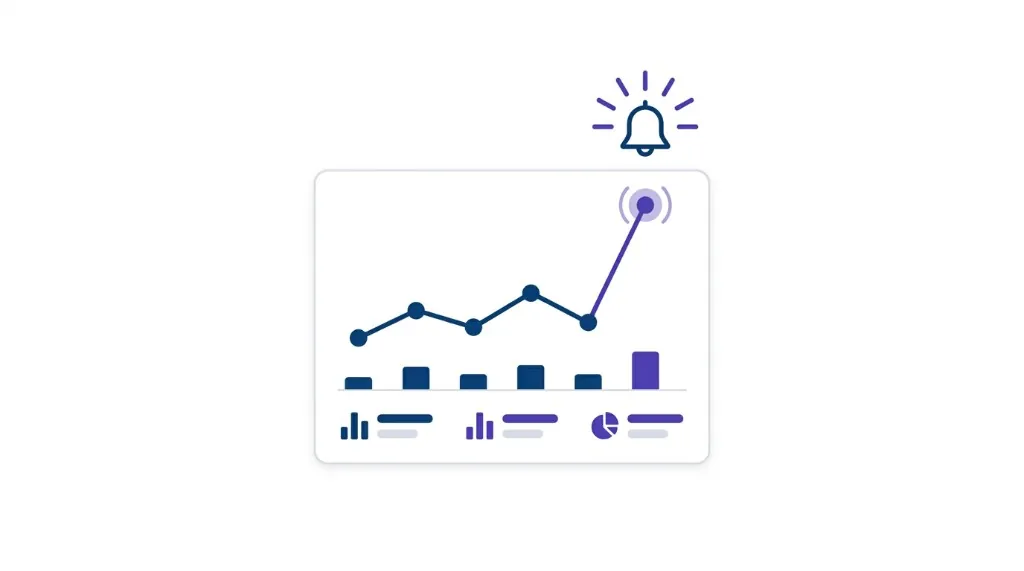
The five numbers you steer by, on one screen, refreshed automatically instead of assembled every Monday.
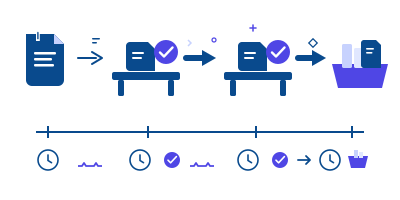
Quotes, orders and supplier documents in one place, with an approval trail you can show an auditor.
Under the hood
Nothing exotic. A stack we can hand over, hire for, and support from Luxembourg.







How it runs
Delivered in slices, so you get value before the whole thing is finished.
Week 1
We sit with the people doing the work and map the processes as they really run today, including the workarounds.
Weeks 2–3
A clickable model of the first module, plus a fixed scope and price for it. You approve before anything is built.
Weeks 4–10
The first module goes live with real data and real users. We iterate on their feedback rather than on a spec document.
Ongoing
Further modules follow the same rhythm. One Luxembourg contact for changes, questions and support.
Bring one process that hurts. In 30 minutes we will tell you honestly whether an ERP is the answer, and if it is not, what is.
Pick a time that works for you. We'll talk through your project and see how NexClass can help.
FAQ
One system where orders, stock, projects and invoicing share the same data, instead of four tools that each hold a piece of it. For a 10–50 person company that is usually a handful of well-built screens, not a global platform.
We scope and price module by module, so the first one is typically a five-figure project rather than an open-ended programme. You see a fixed scope and price before we build, and you can stop after any module.
The first module is usually live within 8 to 10 weeks of the first call. We deliberately start with the process that hurts most so the system earns its keep early.
Sometimes you should, and we will say so. Standard ERP is a good fit when your processes are genuinely standard. When most of the budget goes into customising a product to match how you work, building the smaller thing is usually cheaper and easier to live with.
Yes. Existing spreadsheets are usually the best specification available: they show exactly which fields matter. We import the data and keep the logic your team already trusts.
On EU infrastructure by default, with GDPR handled as part of the build rather than bolted on. If you need the data in Luxembourg specifically, we can arrange that.
In most cases yes. We work with APIs, webhooks, databases and file exchanges, and we connect to what you already use rather than asking you to replace it.
You do: code, data and documentation. There is no lock-in that forces you to keep working with us, which is also why we work to keep you.