Erp
ERP spécialisé : compléter votre logiciel existant
Plutôt que de remplacer votre ERP, un module spécialisé peut combler le point précis qui vous coûte du temps — moins cher, plus rapide, sans migration complète.
Read more →Decision guide
Luxembourg companies that need software usually do not have a spare engineering manager. They have a backlog, a production system that must not break, and a hiring market that is slow and expensive. The instinct is to post a job. What most teams actually need is delivery capacity with review — someone who ships, and someone accountable for whether the work is good.
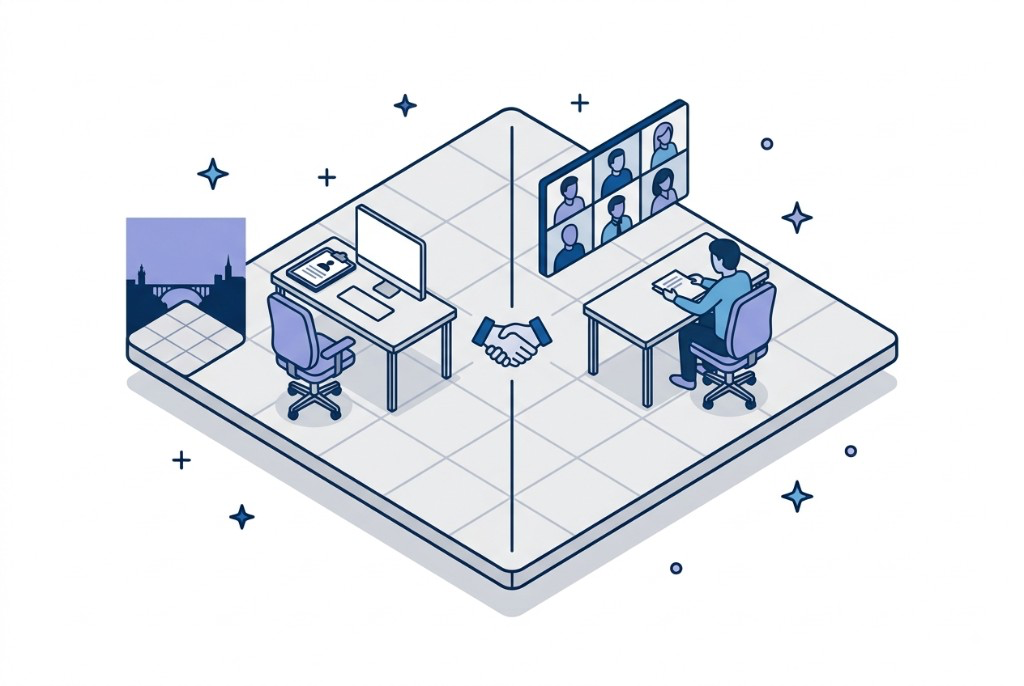
A software hire in Luxembourg is not just a salary. It is time-to-fill measured in months, competition with banks and EU institutions, and a fully loaded cost that includes social charges, equipment, and the management load once the person starts. For a 20-person SME, that last item is the one that surprises: a developer without a tech lead still needs priorities, code review, and someone who can say no to a bad shortcut.
None of this means “never hire”. It means the job posting is often a proxy for a different sentence: we cannot get features out of the door without dropping quality .
Delivery capacity is a system. It has three parts that a single junior hire cannot provide alone:
If you only buy the first part, you have outsourced typing. The bugs and the missed requirements stay on your side of the table.
Three models, with different failure modes.
Hire in Luxembourg when at least two of these are true:
If you cannot review the work, hiring a lone developer is not cheaper. It is deferred cost. Many companies are better off with managed capacity until a lead is in place — then hiring underneath that lead.
Our managed remote development model is built for companies that need output without standing up an HR process first. Dedicated developers do the implementation. Luxembourg-side accountability covers coordination, review, and alignment with what the business actually asked for. You get a person you can call — not a rotation of anonymous tickets.
It is the wrong model if you want to “try a developer for two weeks and see”. It is the right model if you have a real backlog, you care about maintainable software, and you do not yet have the management layer that a local hire would need.
If you are about to post a job because the backlog is stuck, talk first. Sometimes the answer is a hire. Sometimes it is managed delivery until you are ready for one.
Contact NexClassPlutôt que de remplacer votre ERP, un module spécialisé peut combler le point précis qui vous coûte du temps — moins cher, plus rapide, sans migration complète.
Read more →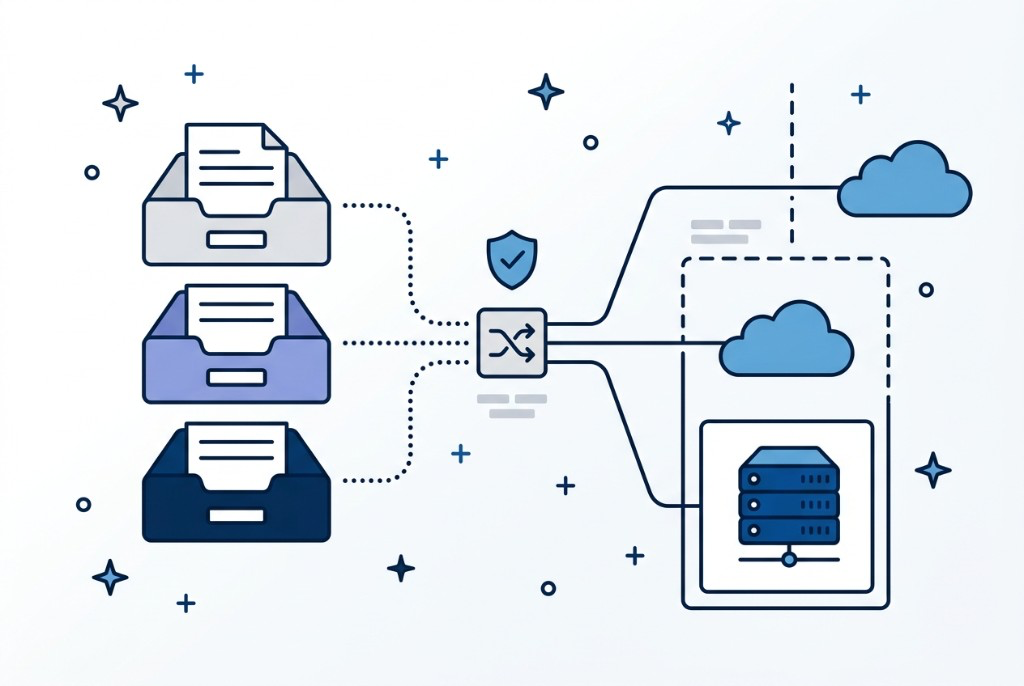
Self-hosting a model is a data-flow decision, not a compliance certificate. What GDPR actually asks of an AI system, when a local model earns its cost, and how to route by data class.
Read more →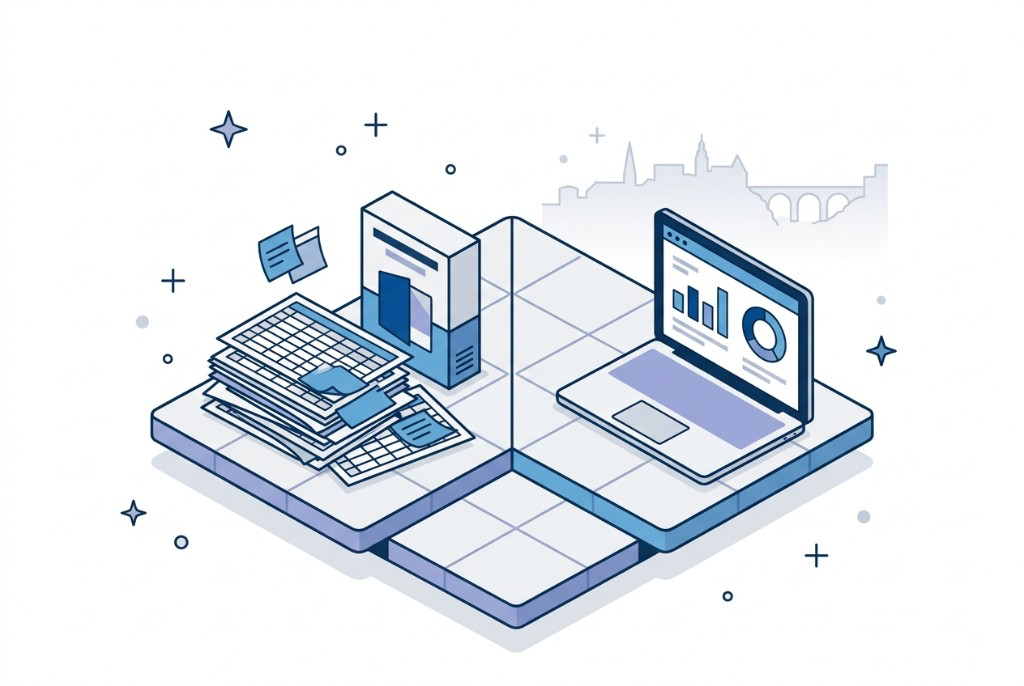
Most SMEs do not need a full ERP. When Excel is the real system, when a package wins, and when a focused custom tool is cheaper and safer.
Read more →